
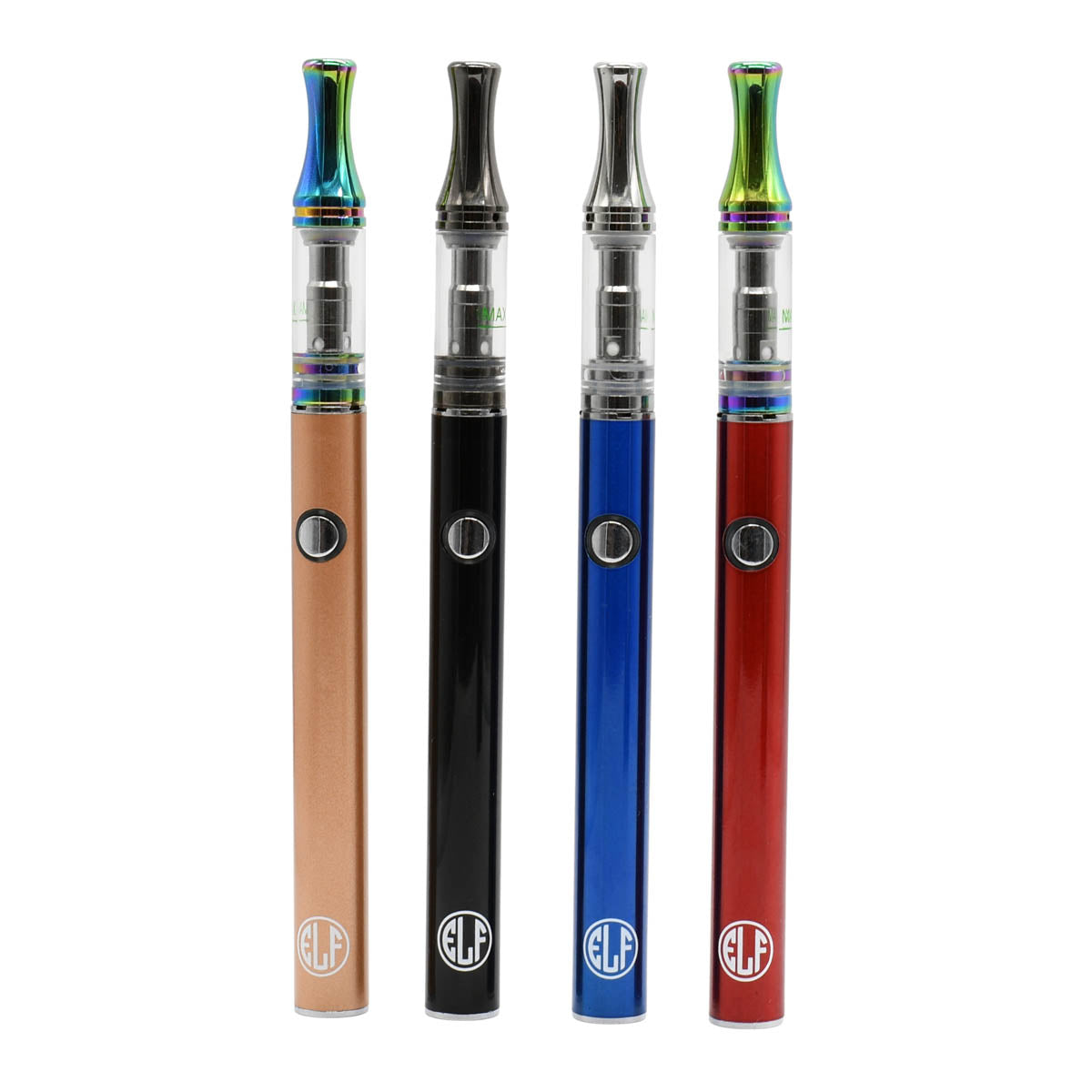
Most people think buying a vape pen is as simple as grabbing whatever colorful stick is sitting on the shelf at the local shop. They are wrong. If you treat a high-end distillate cartridge like a cheap disposable, you are effectively throwing money down the drain before you even take your first pull.
The hardware matters more than the oil. You can spend eighty dollars on a premium live resin cartridge, but if you plug it into a five-dollar battery that can’t maintain a steady current, you’ll get nothing but burnt cotton and wasted terpenes. It is a common mistake that ruins the whole experience.
We have seen too many people complain about « bad oil » when the culprit is actually a battery that lacks variable voltage control. The hardware is the engine, and the cartridge is the fuel. You wouldn’t put low-grade gasoline in a Ferrari, so why treat your hardware that way?
The 510 thread standard is the industry’s great equalizer. It is a universal connection that has survived the rapid shifts in technology. Because of this, the market is flooded with options that range from cheap trinkets to professional-grade tools. Navigating this mess requires knowing what you actually need.
The Physics of Flavor and Voltage
Temperature is everything. When you engage a battery, you aren’t just heating a coil; you are managing the delicate chemical balance of cannabinoids and terpenes. If the voltage is too high, you scorch the oil. If it is too low, you get a weak, wispy vapor that tastes like nothing.
This is why variable voltage is a non-negotiable feature for anyone serious about flavor. Some pens offer a single, fixed setting, which is fine for a quick hit but terrible for different types of oil. A heavy distillate needs a different thermal profile than a light, thin terpene sauce. Without that control, you are essentially guessing.
Modern tech has moved toward more intuitive interfaces. For example, the Neo model includes five different variable voltage settings and a preheat function to wake up thick oils. Having that preheat capability prevents that unpleasant « dry hit » sensation when you first start a session. It’s a small detail that changes everything.
We often suggest checking out the Cartisan Pro Pen if you want to see how digital precision changes the game. It actually includes a color digital screen to show you exactly what your settings are. No more squinting at tiny LED lights to guess if you are at 3.2V or 3.7V.
It works. Really.
When you look at the different ways voltage affects the hit, it breaks down like this:
| Voltage Setting | Impact on Vapor | Best Use Case |
|---|---|---|
| Low (2.2V – 3.0V) | Thin, flavor-focused | Live Resin, Terpene-heavy oils |
| Medium (3.1V – 3.6V) | Balanced, moderate clouds | Standard Distillates |
| High (3.7V +) | Thick, heavy clouds | High-viscosity oils or quick hits |
If you find yourself constantly struggling to get a decent hit, your battery might be the bottleneck. You need a device that can deliver a consistent, steady stream of power without dipping when the coil draws more current.
Why Portability and Charging Standards Matter
The era of the micro-USB charger is dying. If you are still carrying around a specific, proprietary cable just to keep your vape alive, you are living in the past. It is a massive inconvenience when you’re out and realize your power source is dead, but you only have a USB-C cable in your bag.
Most high-quality modern pens have moved to USB-C. It is faster, more reliable, and much more common. We have found that devices with fast charging are far more practical for people who use their pens throughout the day. You don’t want to be tethered to a wall for two hours just to get ten hits.
Discretion is another factor. Some people want a massive, chunky battery that feels like a heavy flashlight. Others want something that looks like a slim pen or even a small USB drive. This depends entirely on your lifestyle. If you carry your gear in your pocket, a bulky battery is a nuisance.
There are many different ways to approach the « discreet » aspect of vaping. Some manufacturers focus on sleek, minimalist designs that don’t draw attention. Others focus on high-tech displays that look more like gadgets than smoking accessories. It’s a split market, and you have to decide which side you sit on.
When browsing for options, look for these specific hardware traits:
- USB-C Charging: Essential for modern convenience and speed.
- Variable Voltage: Necessary for preserving the life of your cartridges.
- Preheat Function: A lifesaver for thick, cold, or high-viscosity oils.
- Compact Form Factor: Makes it easy to carry without a specialized case.
- Battery Life: Look for devices that can last at least a full day of moderate use.
For those who want a wider variety of price points, you can find 510 thread vapes that range from $10 up to $50. This gives you the ability to buy a cheap « beater » pen for travel and a high-end, digital-screen model for home use.
The Connection Problem and Thread Reliability
The « 510 » in 510 thread refers to the diameter of the screw thread. It is a standard because it just works. However, not all threads are created equal. Some cartridges have slightly shorter or longer firing pins, which leads to the dreaded « connection error » where the battery won’t fire even when it’s fully charged.
This is usually caused by a physical mismatch between the pin on the battery and the contact point on the cartridge. A high-quality battery will often have a spring-loaded firing pin. This allows the connection to adjust slightly, ensuring that the electrical circuit is completed even if the cartridge isn’t perfectly seated. This tiny bit of mechanical engineering is what separates a good pen from a frustrating one.
We have seen many users get angry at their cartridges, thinking they are defective. Often, the cartridge is fine; it just needs a slightly more adjustable connection. If you are buying a new battery, check if the pin is spring-loaded. It is a small detail, but it is the difference between a tool that works and a paperweight.
Maintenance is also a hidden part of the connection issue. Over time, a tiny amount of oil can leak or migrate down the side of the cartridge and onto the threads. This residue acts as an insulator. Once that happens, your connection is broken. A simple wipe with a Q-tip and a bit of isopropyl alcohol usually fixes it, but it is a hassle no one wants.
The physics of the connection is simple but unforgiving. If you want the best results, look for a device that feels heavy and well-built. A lightweight, hollow-feeling plastic pen is a sign that the internal components are cheap and the connection will be unreliable. Quality matters here.
If you want to avoid the headache of connection issues, look for these features:
- Spring-Loaded Firing Pin: To accommodate different cartridge heights.
- Magnetic Connections: For a secure, easy-to-align fit.
- High-Quality Brass or Stainless Steel: To prevent corrosion from oil leaks.
- Compact, Solid Construction: To withstand being tossed in a bag or pocket.
Navigating the Market Without Getting Scammed
The sheer volume of brands in this space is overwhelming. You can find everything from « The Kind Pen, » which offers a lifetime warranty on their 510 thread battery vape pens, to generic brands that disappear after three months. It is easy to get lost in the marketing fluff and end up with something mediocre.
The first rule of shopping for 510 gear is to prioritize reliability over flashy packaging. A battery that has a lifetime warranty is a much safer bet than one that claims to have « unmatched power » but has no customer support. You want a company that stands behind its hardware because you are going to be using it every day.
Price is a major indicator, but it isn’t everything. A $15 battery might be perfect for someone who only vapes occasionally, but if you are a heavy user, you will regret not spending the extra $20 for a device with a better battery and faster charging. It is an investment in your daily routine.
We suggest looking at reviews that focus on specific technical specs rather than just « how it feels. » You want to know about the voltage range, the charging port, and the build quality of the threading. If a reviewer doesn’t mention these things, they probably didn’t actually test the device thoroughly.
If you are looking for a wide range of options, you can shop online for 510 thread batteries that cover everything from sleek, buttonless models to heavy-duty variable voltage options. Having a variety to choose from makes it easier to find the exact fit for your specific cartridges.
The landscape is changing rapidly. We expect to see more integration of smart-app connectivity and even more advanced thermal management in the coming years. 510 thread vapes covers this in more detail.
A few things readers ask
What are 510 thread vape pens?
510 thread vape pens are a standard type of battery and cartridge system that uses a screw-on connection to power various oil cartridges.
Are 510 thread batteries universal?
Yes, 510 thread batteries are designed to be compatible with most 510-style cartridges from different brands, provided the connection is a standard 510 thread.
Why is my 510 cartridge not working?
Common issues include a loose connection, a clogged airway, or a battery that needs charging or a voltage adjustment.
What is the best voltage for 510 thread cartridges?
Most distillate cartridges perform best between 3.2V and 3.7V, while live resin cartridges often require lower temperatures to preserve flavor.
Can I use any battery with a 510 cartridge?
While most 510 batteries are compatible, ensure the battery is a 510-thread model and has adjustable voltage for the best experience.